Lamb Face: A Designer’s Review for Baby and Easter Projects
When I first pulled up the Lamb Face design on my screen, I wasn’t looking for complexity. In the world of machine embroidery, especially within the Farm Animals category, there is a distinct difference between designs that try too hard and those that understand the power of simplicity. This particular piece falls squarely into the latter camp. It presents a sweet, uncluttered aesthetic that immediately suggests warmth and comfort. As an experienced designer who has stitched thousands of files for clients ranging from boutique baby shops to large-scale apparel decorators, I evaluate every new embroidery file based on how it translates from digital preview to physical thread. Here is my practical assessment of how this design performs in real-world scenarios.
First Impressions and Visual Personality
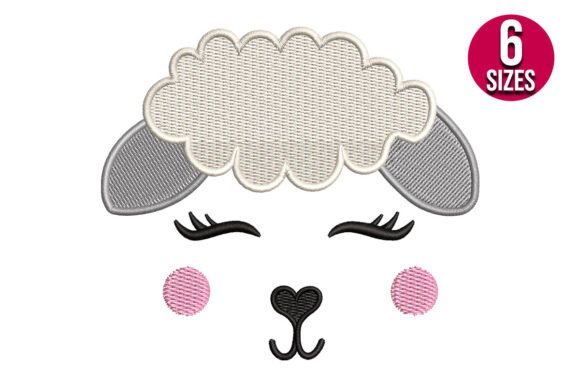
The immediate mood created by Lamb Face is gentle. The layout avoids excessive detail, which is a critical strength for small-scale embroidery. Many designers make the mistake of overcrowding animal faces with intricate fur textures or complex shading, which often results in muddy stitching when scaled down for baby items or patches. This design relies on clean lines and balanced proportions. The visual personality is cuddly without being cartoonish, making it versatile enough for high-end nursery decor as well as casual craft fair merchandise.
From a technical standpoint, the simplicity suggests a manageable stitch count, though you must verify the exact specifications in your downloaded package. The lack of dense fill areas in the facial features likely means fewer thread breaks and faster production times, a crucial factor for any Etsy seller or small business owner managing tight deadlines.
Real-World Application: The Custom Tote Bag Test
To truly judge a design, I imagine it on a specific product. Let’s consider a custom embroidered tote bag made from natural canvas. Canvas has a visible weave and can be unforgiving if the stitch density is too low or the stabilizer is insufficient. Lamb Face, with its open and airy composition, sits beautifully on textured fabrics. Because it doesn’t rely on micro-details, the texture of the fabric doesn’t interfere with the recognition of the image. The lamb’s face remains clear and charming, even when viewed from a distance.
This same logic applies to sweatshirt embroidery. On fleece or French terry, dense designs can cause puckering or stiffness. A simpler design like this allows the garment to remain soft and flexible, which is essential for customer comfort. If you are creating a personalized gift for a newborn, this design works exceptionally well on onesies or burp cloths, provided you use the correct hoop size and stabilizer to prevent distortion on stretchy knit fabrics.
Navigating Fabric and Hoop Constraints
While Lamb Face is forgiving, it is not immune to poor execution. There are specific situations where you need to exercise caution. For instance, if you are stitching on dark fabric, you must pay close attention to thread colors. A white or cream lamb face will pop against navy or black, but if the design includes subtle gray shading, ensure your thread contrast is high enough to maintain visibility. I always recommend testing the design in a black-and-white mockup before committing to expensive threads.
Curved surfaces present another challenge. If you are applying this to a cap or a structured hat, the curvature can distort the shape of the eyes or nose. Since this is a symmetrical face, any distortion will be immediately noticeable. I advise using a strong cut-away stabilizer and possibly digitizing a slight compensation if you have the skills, or simply choosing a larger hoop size to minimize the pull on the fabric edges. For thin fabrics like silk or lightweight cotton, a tear-away stabilizer might not be enough; consider using a water-soluble topping to keep the stitches from sinking into the weave.
Commercial Viability and Brand Consistency
For creative entrepreneurs, the value of a design lies in its sellability. Lamb Face fits seamlessly into several lucrative niches: Easter projects, spring collections, and baby shower gifts. Its neutral appeal means it doesn’t alienate buyers with overly specific gender cues, making it a safe bet for general inventory. When used in a craft business, consistency is key. This design pairs well with other simple botanical or animal motifs, allowing you to build a cohesive brand aesthetic across your digital product listings or physical inventory.
However, remember that selling finished products requires strict adherence to licensing terms. While many machine embroidery design packages allow for commercial use of finished items, some restrict the resale of the digital file itself. Always read the license agreement included with your purchase. If you are creating printable mockups for your online store, ensure that the digital representation accurately reflects the stitched outcome to avoid customer disappointment.
Practical Designer Notes for Best Results
Before you load this design into your machine for a client order, follow these practical steps to ensure professional results:
- Test on Scrap Fabric: Never stitch a new design directly on your final product. Use a similar fabric scrap to check for registration issues or thread breaks.
- Check Stitch Density: Review the design settings. If the density is too high for your fabric type, adjust your stabilizer accordingly. A heavy cut-away is often safer for beginners.
- Verify Hoop Size: Ensure the design fits comfortably within your hoop with adequate margin for clamping. Do not push the design to the very edge of the hoop area.
- Thread Selection: Use high-quality polyester or rayon threads for a smooth finish. Matte cotton threads can add a rustic charm but may fray more easily in dense areas.
- Inspect Small Details: Zoom in on the digital preview. Are there tiny running stitches that might get lost? If so, consider simplifying or removing them if your software allows editing.
Final Verdict
Lamb Face is a solid addition to any designer’s library, particularly for those focusing on baby items, holiday decor, or gentle home accents. It respects the limitations of embroidery machinery while maximizing visual appeal through simplicity. It is not a design that demands attention through complexity; rather, it invites affection through its soft, approachable character. For the handmade product creator, it offers reliability and versatility. Just remember to respect the material you are stitching on, choose your stabilizer wisely, and always test before you commit. When executed with care, this design elevates the perceived value of your finished product, turning a simple piece of fabric into a cherished keepsake.