Horse Portrait Outline: A Designer’s Review
As an embroidery designer who has spent years digitizing and testing files for commercial use, I approach every new machine embroidery design with a critical eye. It is not enough for a design to look pretty on a screen; it must perform under the needle, withstand washing, and elevate the brand it represents. Today, I am reviewing Horse Portrait Outline, a piece categorized under Farm Animals that promises to bring creativity to clothing, home decor, and gifts. For small business owners, Etsy sellers, and apparel decorators, this review focuses on how this specific outline style translates into viable small business merch and branded assets.
First Impressions and Visual Personality
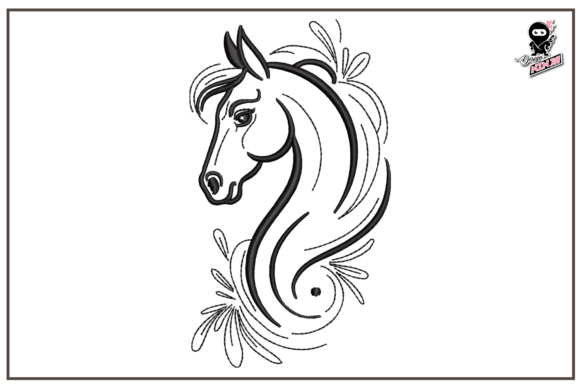
The immediate appeal of Horse Portrait Outline lies in its simplicity. In a market saturated with overly complex, high-density designs, an outline-based approach offers a breath of fresh air. The visual personality here feels modern, elegant, and distinctly handmade. It avoids the clutter that often plagues digital files, opting instead for clean lines that define the subject without overwhelming the fabric. This aesthetic is crucial for brands aiming for a premium or boutique feel. Whether you are running a rustic café, a high-end florist shop, or a pet brand, the outline style suggests sophistication rather than cartoonish playfulness. It signals to the customer that the finished product was created with intention and artistic restraint.
Real-World Applications for Small Businesses
When evaluating a digital embroidery file for commercial use, versatility is key. Horse Portrait Outline excels in several specific applications that drive revenue for creative studios and local businesses.
- Embroidered Patches: This is perhaps the strongest use case. An outline design stitches cleanly on twill or felt backings, creating a crisp border that holds up well when cut. These patches can be sold as standalone accessories or applied to jackets and bags.
- Custom Apparel and Uniforms: For staff uniforms in equestrian centers, farms, or rustic-themed boutiques, this design works beautifully as a chest logo accent. It is subtle enough for professional wear but distinct enough to reinforce brand identity.
- Cap Embroidery: Curved surfaces are tricky, but simple outlines often perform better than dense fills on caps. Placed on the side panel or above the brim, this horse portrait adds a touch of class without causing puckering.
- Tote Bag Design: Canvas totes are a staple for bakeries and bookshops. The open nature of an outline design allows the texture of the canvas to show through, integrating the embroidery with the material rather than sitting heavily on top of it.
- Apron Embroidery: For artisanal businesses, branded aprons are powerful marketing tools. A clean horse outline on a denim or canvas apron suggests craftsmanship and attention to detail.
Technical Considerations and Production Notes
While the aesthetic is strong, practical execution requires careful planning. As a designer, I always advise testing any new embroidery file before committing to a large production run. Here are the critical technical factors to consider with Horse Portrait Outline.
Fabric Texture and Stabilizer Choice
Outline designs rely heavily on the precision of the stitch path. On loose-weave fabrics or textured materials like linen, there is a risk of the fabric pulling into the stitches, distorting the clean lines. To mitigate this, using a high-quality cut-away stabilizer is essential. For stretchy fabrics, such as those used in athletic wear or fitted tees, a tear-away stabilizer may not provide enough support, leading to registration issues. Always test on the actual fabric you intend to use for your custom apparel.
Stitch Density and Thread Colors
One advantage of outline styles is typically lower stitch density, which reduces thread breakage and machine wear. However, because there are no fill stitches to hide minor imperfections, your tension settings must be perfect. Regarding thread colors, contrast is vital. A dark thread on a dark uniform will render the design invisible. I recommend creating a printable mockup to visualize how different thread shades interact with your base material. Black, navy, or deep brown threads often work best for this type of Farm Animals motif, providing a classic look that appeals to a broad audience.
Size and Hoop Constraints
Before purchasing, you must verify the available hoop size options. While outline designs scale relatively well, shrinking them too much can cause the stitches to merge, losing the definition of the horse’s features. Conversely, enlarging them too much may result in long jumps that require excessive trimming. Check the specific dimensions provided by the seller to ensure they fit your intended application, whether it is a small pocket logo or a larger back print.
Enhancing Brand Identity and Customer Trust
Beyond the technical aspects, Horse Portrait Outline serves as a strategic asset for building brand identity. In the world of commercial embroidery, consistency is trust. Using a cohesive set of design assets across various touchpoints—from employee uniforms to packaging accents—creates a recognizable visual language. This design’s elegant simplicity allows it to pair well with typography, making it ideal for combining with a business name or slogan.
For Etsy sellers and handmade brands, offering products featuring this design can increase perceived value. Customers often associate intricate, clean embroidery with higher quality and care. By incorporating this horse portrait into your product line, you signal professionalism. It transforms a generic item into a curated piece of handmade product merchandise. Furthermore, because the design is versatile, it allows for seasonal variations. You might use gold thread for holiday gifts or earth tones for spring collections, keeping your inventory fresh while maintaining brand recognition.
Final Verdict and Licensing Advice
Horse Portrait Outline is a strong contender for small business owners looking to add a touch of rustic elegance to their merchandise. It performs well on patches, caps, and tote bags, provided that proper stabilizers and tension settings are used. Its clean lines make it forgiving on various fabric textures, though testing is always recommended.
Before integrating this into your workflow, ensure you review the licensing terms. Most designers offer different licenses for personal versus commercial use. Confirm that your purchase includes the right to sell finished products containing this Embroidery design. Additionally, check if the file format matches your machine’s requirements. With the right preparation, this design can become a staple in your catalog, helping you create memorable, high-quality items that resonate with your customers.