Tree Hugger Sloth: A Designer’s Practical Review
As an embroidery designer who has spent countless hours digitizing and stitching out thousands of motifs, I approach every new machine embroidery design with a critical eye. It is not just about whether the image looks cute on a screen; it is about how the threads interact with the fabric, how the density affects the hand of the garment, and whether the final finished product will hold up to washing and wear. Recently, I evaluated the Tree Hugger Sloth design, a charming addition to the Wild Animals category, to determine its viability for real-world commercial and personal projects.
First Impressions and Visual Personality
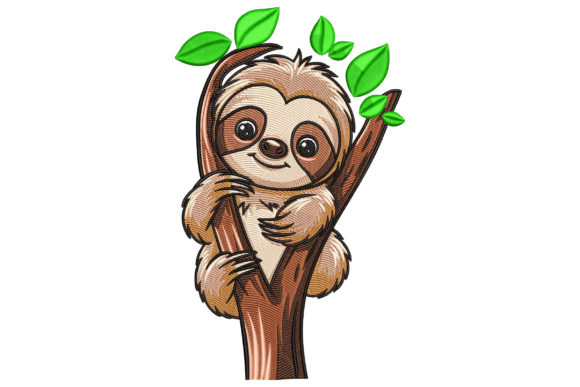
The first thing that strikes you about the Tree Hugger Sloth is its inherent warmth. The layout suggests a playful interaction between the animal and its environment, likely featuring the sloth clinging to a branch or tree trunk. This thematic choice immediately sets a whimsical tone, making it an excellent candidate for projects that aim to evoke comfort and joy. From a design perspective, the silhouette appears balanced, avoiding the common pitfall of overly complex outlines that can get lost in translation when scaled down.
For those of us in the craft business, visual appeal is only half the battle. We must consider stitch clarity. Does the design rely heavily on dense fill stitch areas that might cause puckering, or does it utilize open running stitch techniques to keep the fabric flexible? Based on the description emphasizing charm and playfulness, this design likely employs a mix of satin and fill stitches to create texture without excessive bulk. This balance is crucial for maintaining the professional look expected by customers browsing Etsy listings or boutique shelves.
Real-World Application Scenarios
To truly test the versatility of this embroidery file, I mentally placed it into several common production scenarios. The most obvious application is custom apparel. Imagine a soft, heather-gray sweatshirt with the sloth positioned on the left chest. The contrast between the neutral fabric and the vibrant thread colors would make the design pop without being overwhelming. This makes it a strong contender for sweatshirt embroidery lines targeting young adults or nature lovers.
Beyond apparel, the design shines in home decor and accessories. A canvas tote bag featuring this motif transforms a simple grocery carrier into a statement piece. The sturdy weave of canvas provides an ideal foundation for embroidery, allowing the stitches to sit prominently on the surface. Similarly, kitchen towels benefit from such playful imagery. A tote bag design or tea towel set featuring the Tree Hugger Sloth could easily become a bestseller during the holiday season, appealing to buyers looking for unique, personalized gift options that stand out from mass-produced items.
For baby-related products, caution is key, but the potential is high. Soft onesies or burp cloths require designs that are not only cute but also safe and comfortable against sensitive skin. If the stitch density is moderate, this design could work beautifully for baby embroidery projects, adding a touch of whimsy to nursery decor or newborn gifts. However, one must ensure that no small, loose threads remain, as safety is paramount in infant products.
Navigating Fabric and Hoop Constraints
While the design is versatile, it is not without its technical considerations. Embroidery on stretchy fabrics, such as jersey knits used in t-shirts, requires careful stabilization. Without proper support, the weight of the stitching can distort the fabric, causing the sloth’s features to warp. I recommend using a cut-away stabilizer for garments that will undergo frequent washing, ensuring the stitch density does not pull the material out of shape.
Curved surfaces present another challenge. Placing this design on a cap or hat requires precise hooping and potentially resizing the artwork to fit the limited space of the front panel. If the design includes fine details, such as the sloth’s facial features or claws, these may merge if stitched too small. Always test the design on scrap fabric identical to your final material before committing to a full production run. This step is non-negotiable for maintaining quality control in a small shop product line.
Dark fabrics require special attention to thread selection. To ensure the Tree Hugger Sloth remains visible and vibrant, high-contrast thread colors are essential. A dark navy shirt might need bright greens, browns, and creams to make the design legible. Conversely, on light fabrics, subtle shading can add depth. Creating printable mockup previews in both black and white can help you assess the design’s structural integrity before selecting your color palette.
Commercial Viability and Brand Consistency
For Etsy sellers and creative entrepreneurs, the commercial value of a design lies in its ability to attract and retain customers. The Tree Hugger Sloth fits seamlessly into brands that prioritize nature, sustainability, and whimsy. It enhances brand consistency by offering a recognizable visual asset that can be applied across various design assets, from social media graphics to physical products.
When selling finished items, transparency about the quality of the embroidery builds customer trust. Highlighting the use of high-quality threads and proper stabilization techniques in your product descriptions can justify higher price points. Buyers are increasingly educated about the difference between cheap, printed transfers and genuine commercial embroidery. By showcasing the texture and dimensionality of the stitched sloth, you emphasize the handmade nature of your work, which is a significant selling point in today’s market.
Practical Designer Notes
Before integrating this design into your workflow, consider the following practical steps:
- Check Licensing: Confirm whether the license allows for commercial use of finished products. This is critical for avoiding legal issues when selling on platforms like Etsy.
- Test Stitch Density: Run a test stitch-out on similar fabric to check for puckering or thread breaks. Adjust tension if necessary.
- Evaluate Detail Level: Ensure that small elements, such as eyes or claws, are clearly defined at your intended size. If they appear blobby, consider simplifying or enlarging the design.
- Color Contrast: Plan your thread colors carefully. Use a color chart to visualize how different shades will interact with your chosen fabric background.
- Stabilizer Selection: Match the stabilizer to the fabric type. Use tear-away for stable woven fabrics and cut-away for stretchy knits.
In conclusion, the Tree Hugger Sloth is a promising addition to any designer’s library. Its playful aesthetic and adaptable layout make it suitable for a wide range of applications, from custom apparel to home decor. By paying attention to technical details such as stabilizer choice, thread contrast, and hoop size, you can ensure that each embroidery project meets high standards of quality. Whether you are creating a one-of-a-kind gift or building a inventory for your online store, this design offers the charm and professionalism needed to engage buyers and elevate your brand.