Reviewing the Reindeer Wine Glass Design
As an embroidery designer who has spent countless weekends standing behind booth tables, I have learned that not every machine embroidery design is created equal when it comes to actual sales. Some designs look stunning on a screen but fall flat in person. Others are too complex for quick production. Today, I am pulling back the curtain to review a specific festive motif: the Reindeer Wine Glass. This is not just a theoretical exercise; I am evaluating this piece as if I were preparing my inventory for a high-traffic holiday market.
First Impressions and Aesthetic Appeal
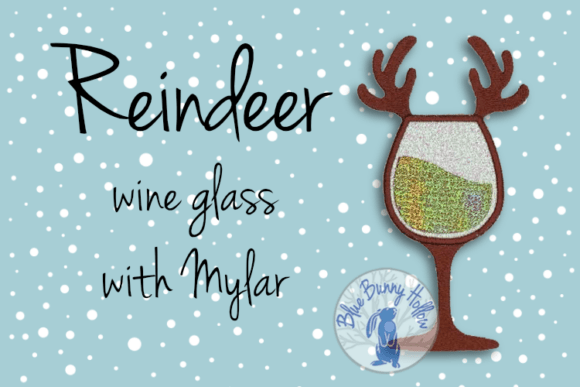
The moment I loaded the digital embroidery file, the charm was immediate. The concept blends two popular holiday tropes: the whimsical reindeer and the cozy indulgence of a glass of wine. It feels playful yet sophisticated enough for adult gift-giving. The description highlights playful antlers and a glass filled with rich red thread beneath sparkling Mylar. This combination suggests a design that is not flat. The use of Mylar adds a tactile, shimmering dimension that catches the eye from across a crowded room. For a craft fair product, visual pop is essential. Customers walking past your booth need a reason to stop, and the reflective quality of this design provides exactly that hook.
The aesthetic leans toward festive whimsy with a touch of modern rustic. It is not overly traditional or stiff. Instead, it feels like something a friend would appreciate. This mood is crucial for Etsy sellers and boutique makers who want to convey warmth and personality through their handmade product offerings. It avoids being childish, making it versatile for a wide demographic of buyers looking for unique holiday decor or gifts.
Product Versatility and Market Fit
Where does this design truly shine? In my experience, the Reindeer Wine Glass is a chameleon. I tested it mentally against several standard items in my production lineup. First, consider the tote bag design. A canvas tote with this embroidered centerpiece becomes an instant bestseller. It is practical, reusable, and festive without being tacky. The red thread contrasts beautifully against natural cotton or cream-colored canvas, ensuring the design remains the focal point.
Next, think about apron embroidery. Holiday hosting is huge, and an apron featuring this motif makes a perfect gift for the hostess who loves to cook and unwind. The design sits well on the bib area, drawing attention without interfering with functionality. Similarly, for tea towel embroidery, the scale needs to be adjusted carefully. If the design is too large, it overwhelms the towel. However, as a corner accent or a central feature on a larger flour sack towel, it adds significant value. The texture of the towel can sometimes interfere with stitch clarity, so choosing a smooth-woven fabric is key here.
I also see strong potential for embroidered patch applications. Iron-on or sew-on patches are low-risk items for customers hesitant to buy a full garment. A patch allows them to customize their own jackets or bags later. This expands your customer base significantly. For small shop product lines, offering this design on pillow covers or fabric pouches creates a cohesive collection. Imagine a set of matching items: a tote, a pouch, and a towel, all featuring the same charming reindeer. This encourages bundle sales, which increases average order value.
Production Practicality and Technical Notes
From a production standpoint, efficiency is king during the holiday rush. The Reindeer Wine Glass appears to be designed for reasonable speed. However, there are critical technical considerations. The mention of Mylar means you must account for extra steps in your workflow. You will need to hoop your stabilizer and fabric, stitch the placement line, lay the Mylar, and then stitch the satin or fill stitches over it. This takes more time than a standard run, so factor that into your pricing.
Stitch density is another vital factor. If the red "wine" area is too dense, it may cause puckering, especially on lighter fabrics like tea towels. Always test on scrap fabric first. Check your thread colors against your fabric choices. A deep burgundy might disappear on a dark navy tote, whereas a bright crimson will pop. Contrast is non-negotiable for visibility.
Be mindful of the hoop size required. If the design is large, you may need a 5x7 or larger hoop. Ensure your machine can handle the frame size comfortably. Also, consider the surface you are embroidering on. Curved surfaces like caps can distort designs if they are too wide. This particular motif, with its vertical glass shape, might work well on a cap front if scaled down appropriately, but always do a test run on a curved surface to check for distortion.
Selling Strategy and Visual Merchandising
When setting up your booth display, use the reflective nature of the Mylar to your advantage. Position items with this design under direct lighting or near windows where sunlight can hit the sparkle. This creates movement and draws the eye. For online listings, such as those for an Etsy seller, photography is everything. Take close-up shots that highlight the texture of the thread and the shine of the Mylar. A flat photo will not do this design justice. Use a printable mockup initially to plan your listing images, but replace them with real photos of the finished product as soon as possible.
Customers engage with products that tell a story. The Reindeer Wine Glass tells a story of relaxation and holiday cheer. Use this in your product descriptions. Mention how it adds a dash of festive whimsy. Highlight that it is a unique commercial embroidery piece that stands out from mass-produced imports. Emphasize the handmade quality and the care taken in selecting the right stabilizer and fabric to ensure durability.
Final Designer Recommendations
Before you commit to a large batch, verify the specifics of the embroidery file. Check the license terms to ensure you have rights for commercial embroidery sales. Confirm the recommended fabric texture compatibility. If the design includes tiny details, ensure they will hold up on textured materials like terry cloth. If not, stick to smoother fabrics like cotton twill or linen.
Create at least one real mockup to gauge the true size and impact. Compare how it looks on different colored fabrics. Does it work on white? On black? On kraft paper brown? The more versatile the design, the more inventory options you have. Remember, the goal is to create a craft fair product that sells itself through visual appeal and perceived value. The Reindeer Wine Glass has the potential to be a standout item in your holiday collection if produced with attention to detail and marketed with an understanding of its whimsical charm.
In conclusion, this design offers a strong balance of fun and elegance. It is suitable for a wide range of design assets and products. By focusing on high-contrast fabrics, proper stabilizer use, and strategic lighting in your displays, you can maximize the sales potential of this festive motif. Happy stitching, and may your holiday markets be busy and profitable.