Flying Duck: A Whimsical Embroidery Design Review
As a designer who has spent countless hours staring at digitized patterns and watching needles punch through fabric, I have learned that not every machine embroidery design is created equal. Some look fantastic on a screen but turn into a tangled mess of thread on the hoop. Others are technically perfect but lack soul. When I first pulled up the Flying Duck file, I was looking for that sweet spot between technical reliability and genuine charm. This review breaks down how this specific pattern holds up when moved from a digital preview to a tangible, stitched reality.
First Impressions and Visual Personality
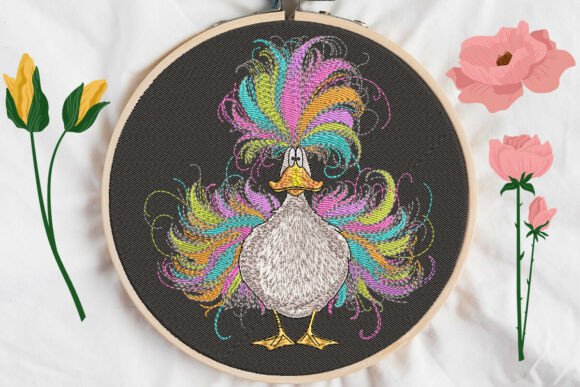
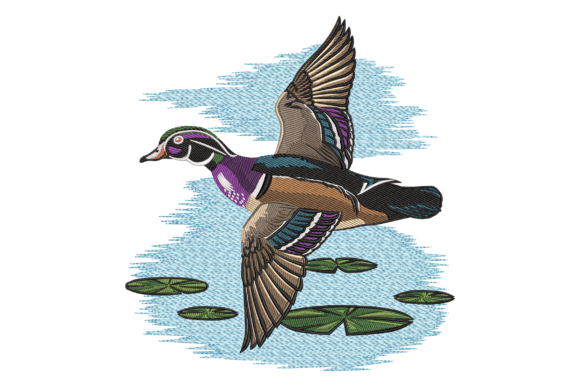
The immediate appeal of Flying Duck lies in its playful energy. It does not try to be hyper-realistic or overly complex. Instead, it embraces a whimsical aesthetic that feels approachable and lighthearted. For those of us in the Birds category of design, finding a motif that avoids being too stiff or traditional can be a challenge. This design succeeds by offering a sense of motion and fun.
The layout is balanced, with clear lines that suggest movement without relying on excessive density. In my experience, designs that attempt to capture flight often suffer from awkward angles or disconnected elements. Here, the silhouette feels cohesive. Whether you are using it for a tote bag design or a small accent on a collar, the visual weight is distributed well. It creates a mood that is cheerful without being childish, making it versatile for a wide range of demographics.
Real-World Application: The Custom Tote Test
To truly evaluate an embroidery project, you have to imagine it on a product. I recently considered this design for a custom order involving canvas tote bags for a local farmer’s market vendor. The client wanted something eye-catching but quick to produce. Flying Duck fit the brief perfectly.
On a medium-weight canvas, the design popped. The open areas allowed the texture of the fabric to show through, preventing that heavy, cardboard-like feel that dense fills sometimes create. If you are an Etsy seller or run a craft business, you know that production speed matters. A design that stitches out cleanly without constant thread breaks or trimming saves you money and time. Based on the visual structure, this pattern appears optimized for efficiency, making it a strong candidate for small batch production or small shop product lines.
Versatility Across Product Lines
Beyond totes, I see significant potential for this design in several other categories:
- Sweatshirt embroidery: Placed on the left chest or as a larger back print, it adds a quirky touch to casual wear.
- Baby embroidery: The soft, rounded shapes are safe and appealing for nursery decor or infant garments, provided the scale is adjusted appropriately.
- Holiday embroidery: With the right thread colors, this could easily transition into seasonal gifts, such as Easter baskets or spring-themed kitchen towels.
- Embroidered patch: The defined edges make it a great candidate for cut-out patches that can be ironed or sewn onto denim jackets.
This versatility is crucial for commercial embroidery professionals who need to maximize the utility of their design assets. Being able to offer the same motif on different products helps build brand consistency while keeping your inventory fresh.
Technical Considerations for Stitching
While the aesthetic is strong, practical execution requires attention to detail. Before loading this digital embroidery file into your machine, there are several factors to consider to ensure a high-quality finished product.
First, examine the stitch types. A design like this likely utilizes a combination of satin stitch for borders and fill stitch for larger bodies. Satin stitches provide a shiny, smooth finish but can snag if they are too long or raised too high. Check the column width in your editing software. If the design includes any long, unsupported satin runs, you may need to add underlay or break them into smaller segments to prevent looping.
Second, consider stitch density. High density can cause puckering, especially on thinner fabrics like cotton voile or lightweight jersey. If you are stitching on a personalized gift made from delicate material, reduce the density slightly or use a heavier cut-away stabilizer to support the fabric. Conversely, on thick materials like terry cloth towels, you might need a topping to keep the stitches from sinking into the pile.
Fabric and Hoop Constraints
Not every surface is ideal for every design. While Flying Duck is robust, it requires careful placement on curved surfaces like caps. The distortion inherent in cap embroidery can warp the shape of the duck, making it look stretched. Always test on a similar curved mockup first. Additionally, avoid placing this design over seams or zippers, as the needle deflection can ruin the alignment of the wings or body.
For dark fabrics, thread color contrast is vital. A dark thread on a dark shirt will render the design invisible. Use bright, contrasting thread colors to maintain the whimsical impact. If you are creating printable mockup images for your online store, ensure your digital previews accurately reflect this contrast so customers know what to expect.
Enhancing Brand Value and Customer Trust
Using high-quality designs like Flying Duck directly impacts how customers perceive your brand. Sloppy stitching or poorly chosen motifs can undermine trust. A clean, well-digitized bird design signals professionalism. It shows that you care about the details, which encourages repeat business and positive reviews.
For custom apparel creators, offering unique, non-generic designs sets you apart from mass-produced retailers. This design’s charming nature invites engagement. Customers are more likely to share photos of cute, well-executed embroidery on social media, providing you with free marketing and increased buyer engagement.
Final Designer Notes
Before committing to a large run, always follow these best practices:
- Test on scrap fabric: Never stitch a new design directly on a final garment. Use a similar fabric scrap to check tension and registration.
- Check licensing: Ensure the license terms allow for commercial embroidery if you plan to sell items made with this file. Most designers offer different licenses for personal vs. commercial use.
- Verify file formats: Confirm that the embroidery file format matches your machine (e.g., PES, DST, JEF). Conversion can sometimes alter stitch paths.
- Inspect small details: Zoom in on the digital file to ensure there are no stray stitches or overlapping nodes that could cause thread breaks.
In conclusion, Flying Duck is a solid addition to any designer’s library. It balances charm with practicality, making it suitable for everything from handmade product lines to boutique branding. By respecting the technical requirements of Embroidery and understanding your fabric choices, you can leverage this design to create items that delight customers and stand the test of time.